About Simona
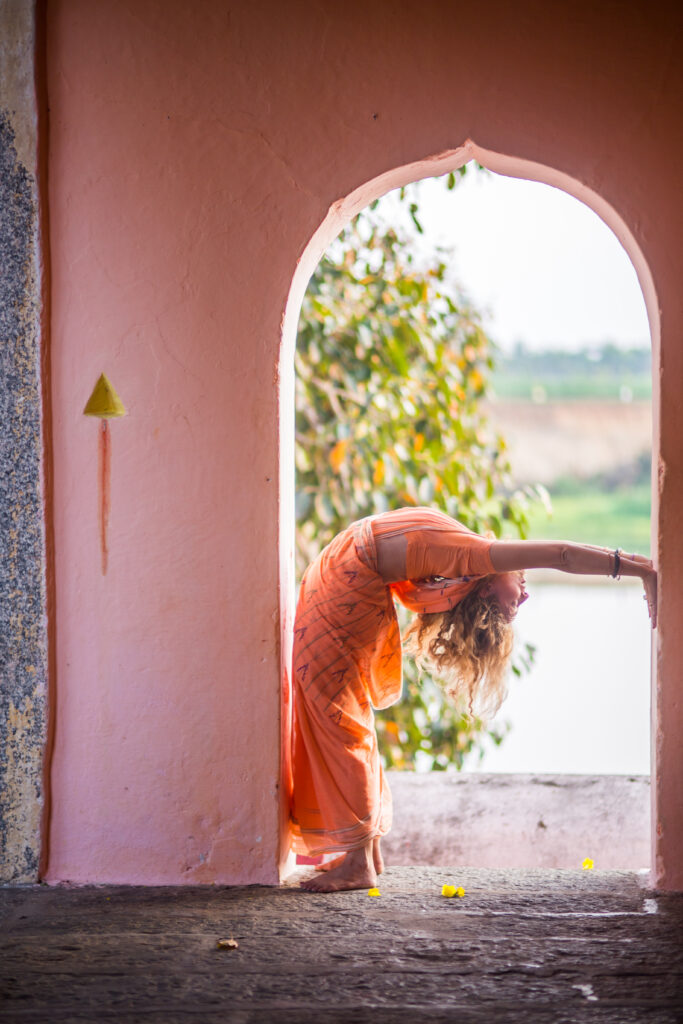
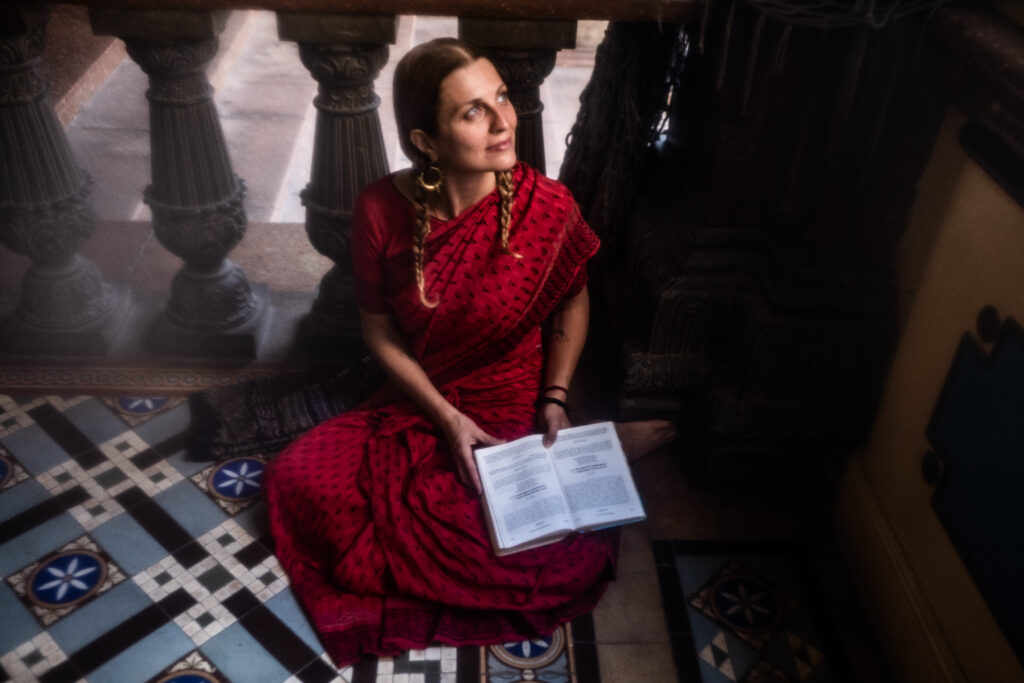
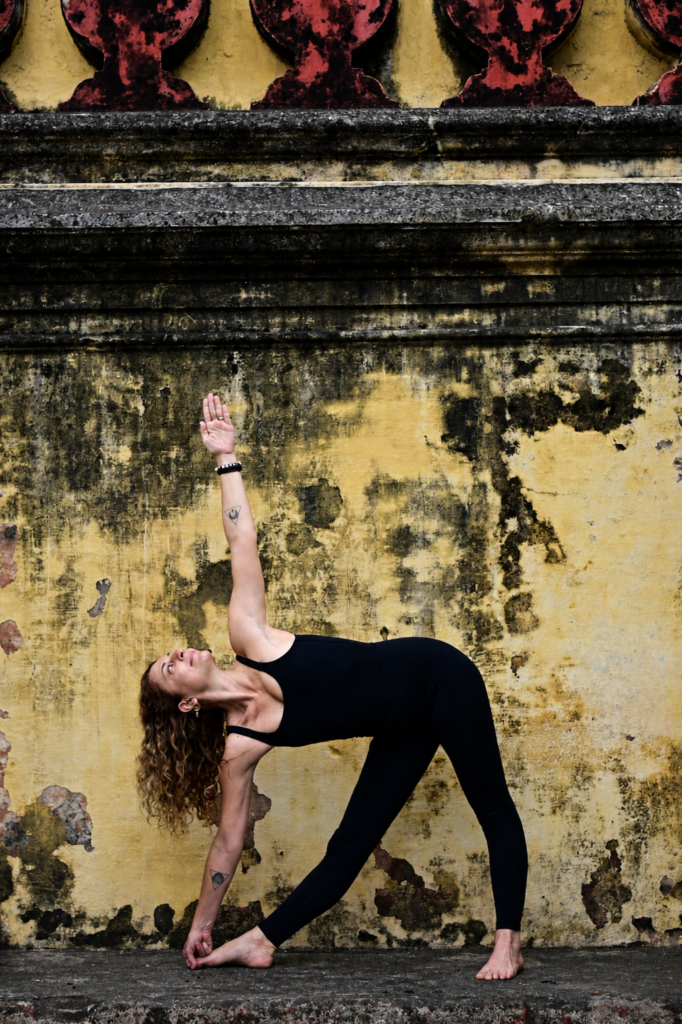
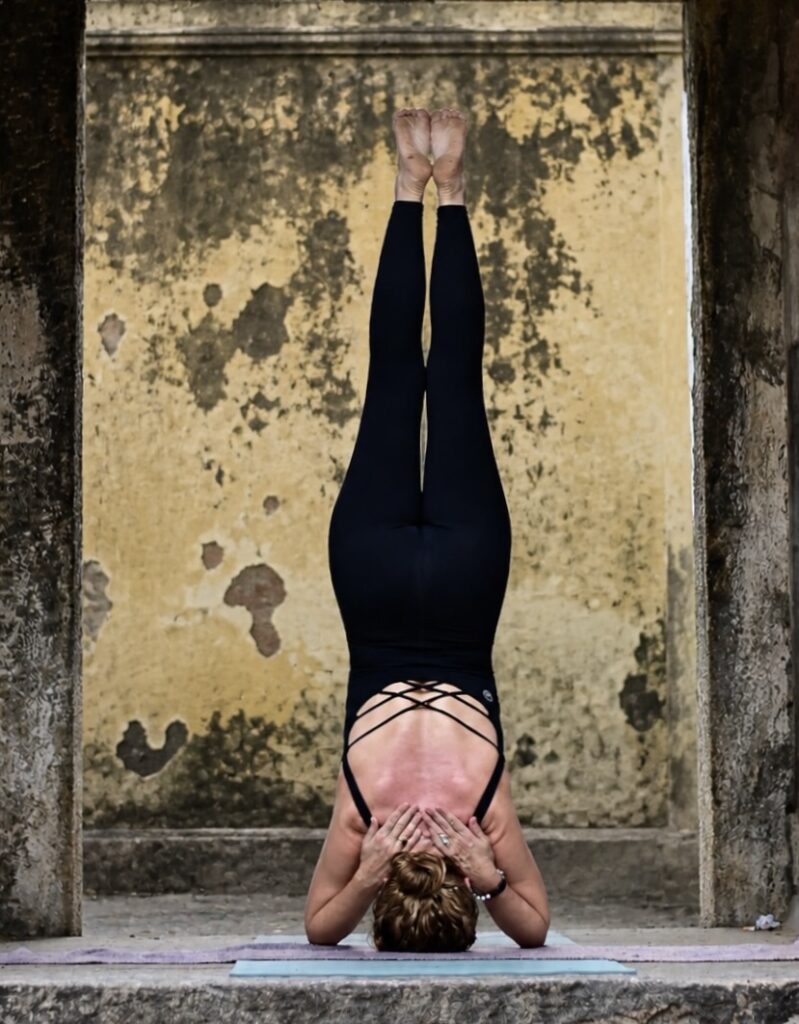
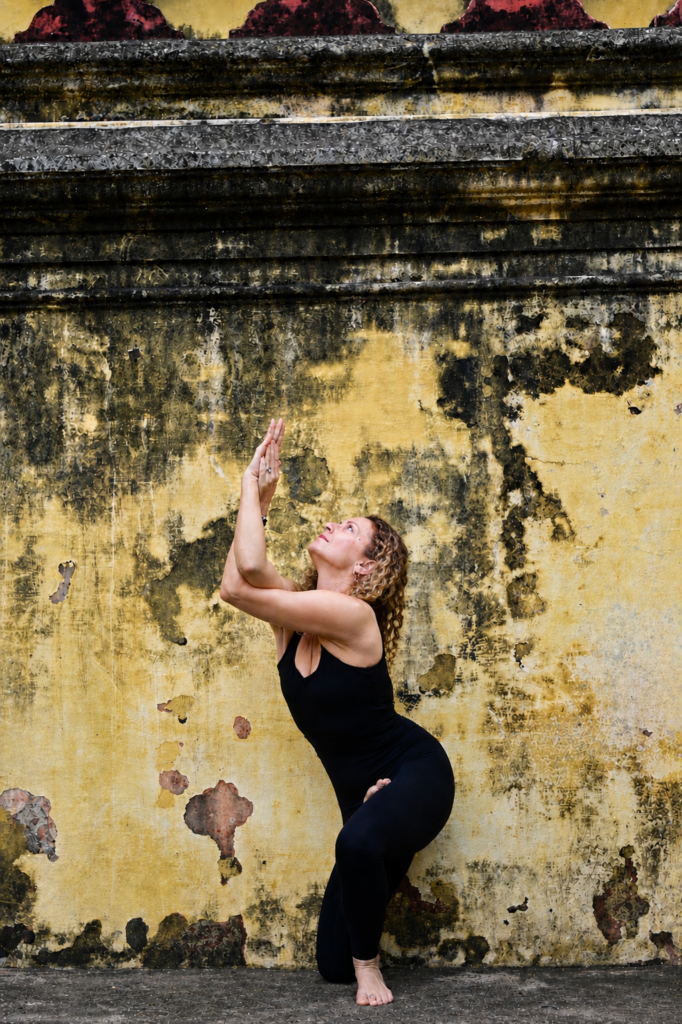
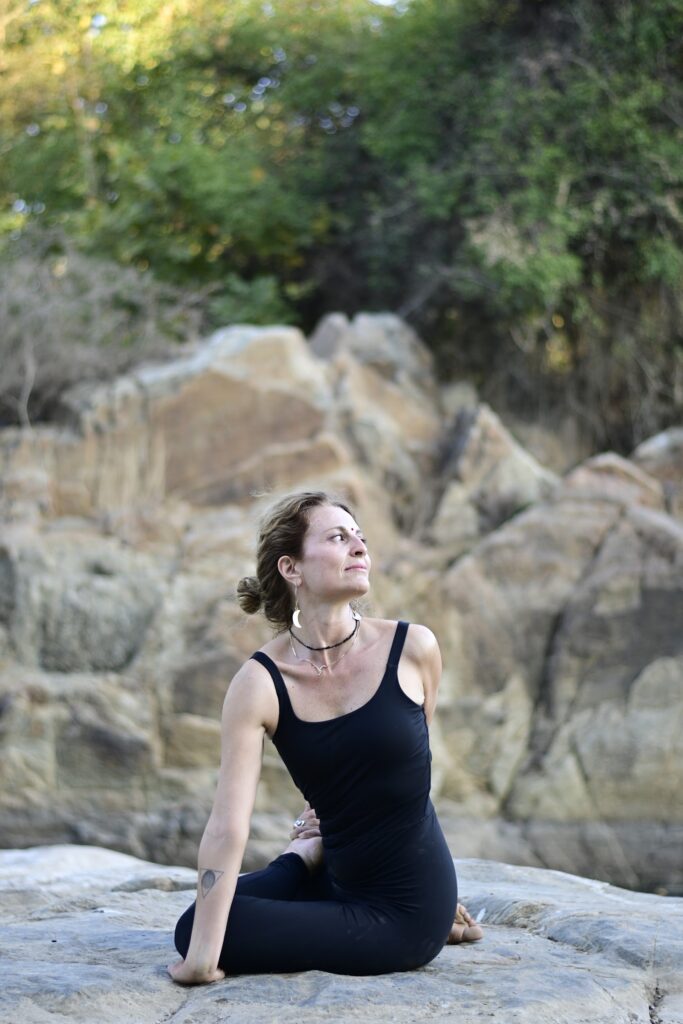
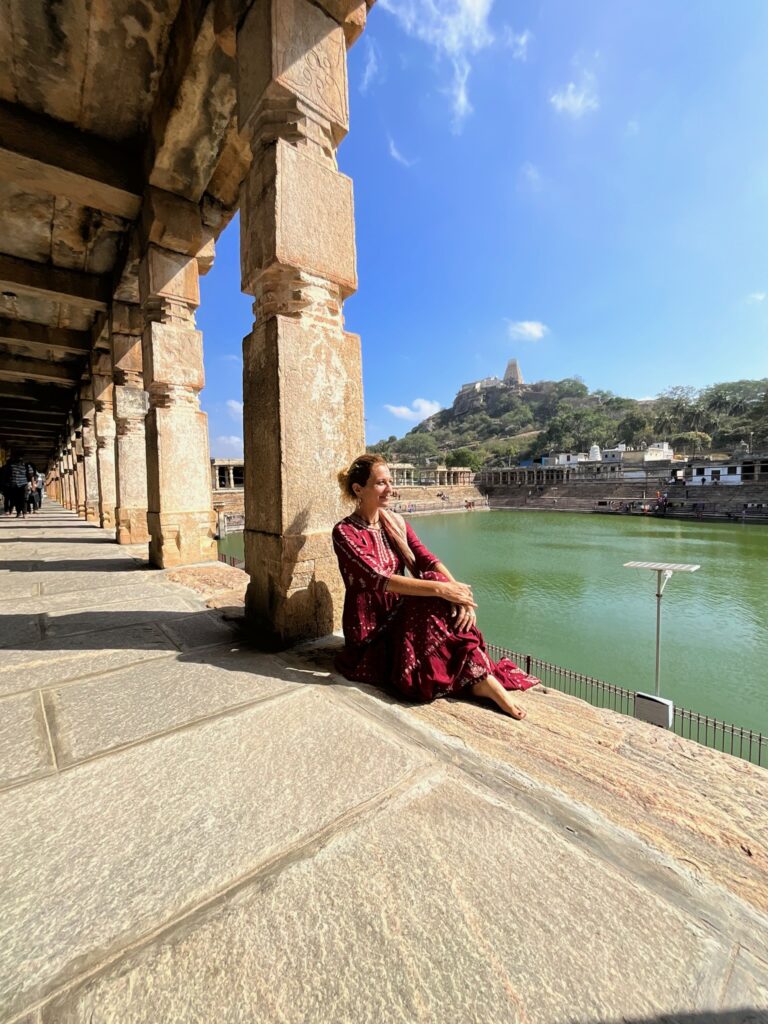
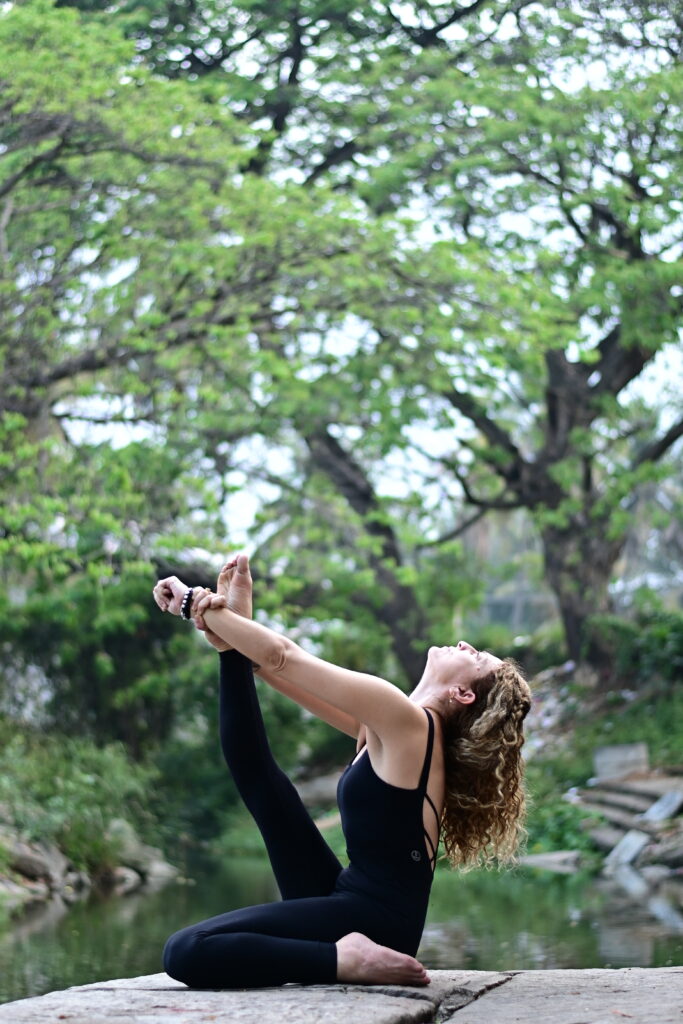
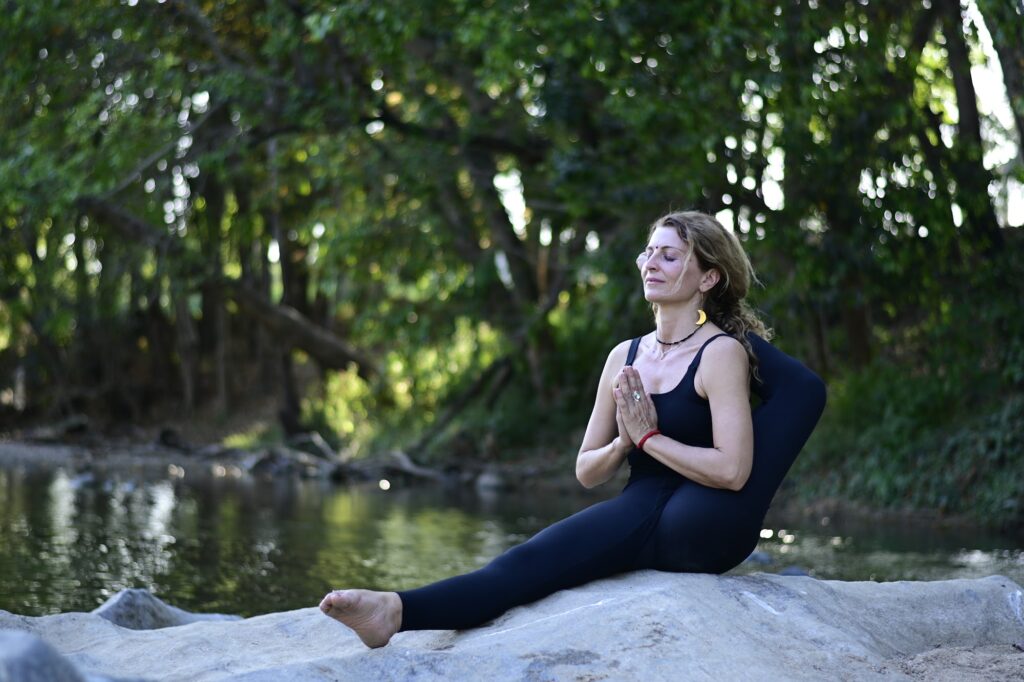
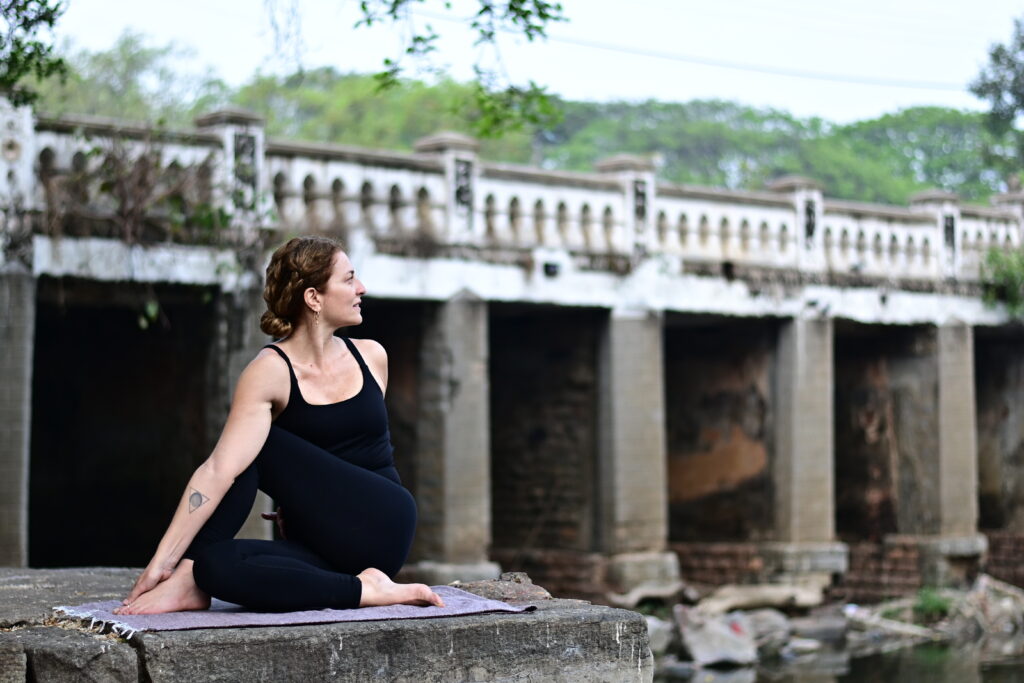
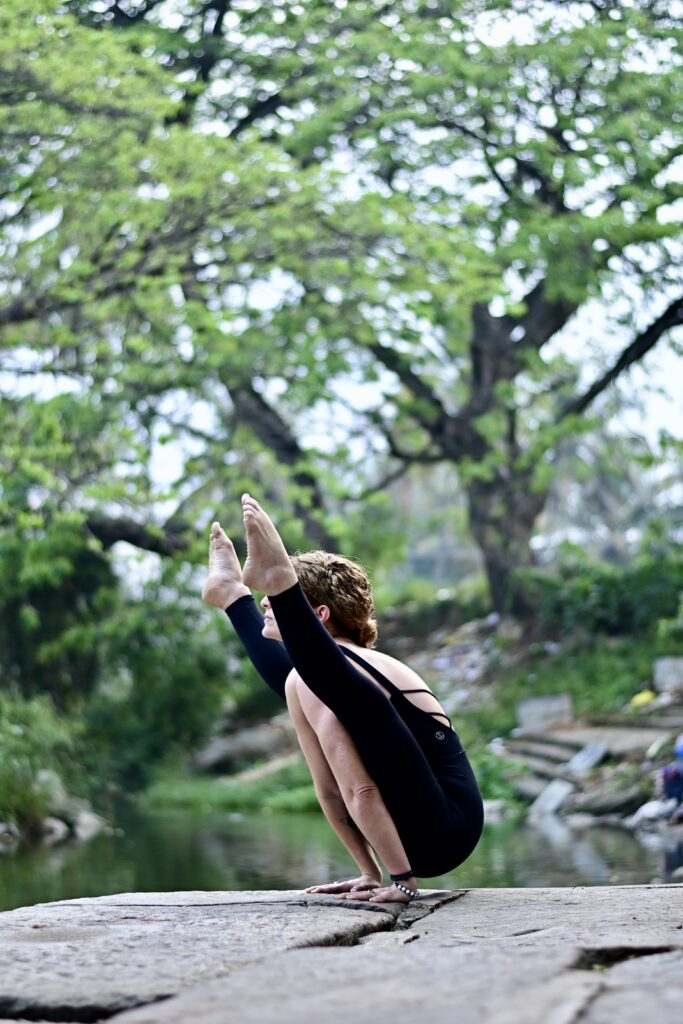
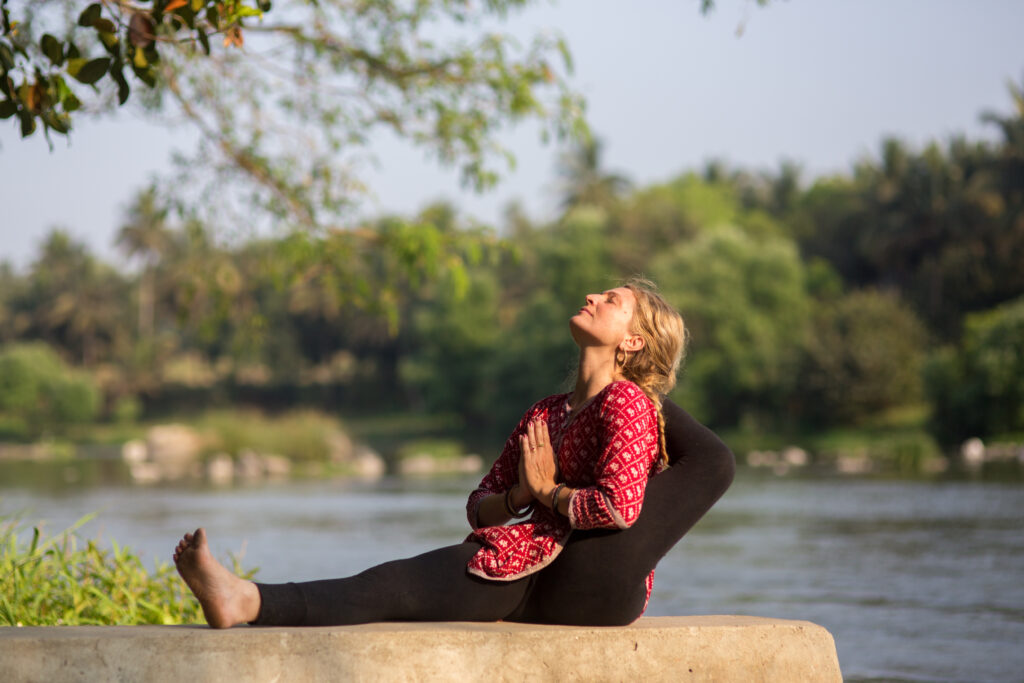
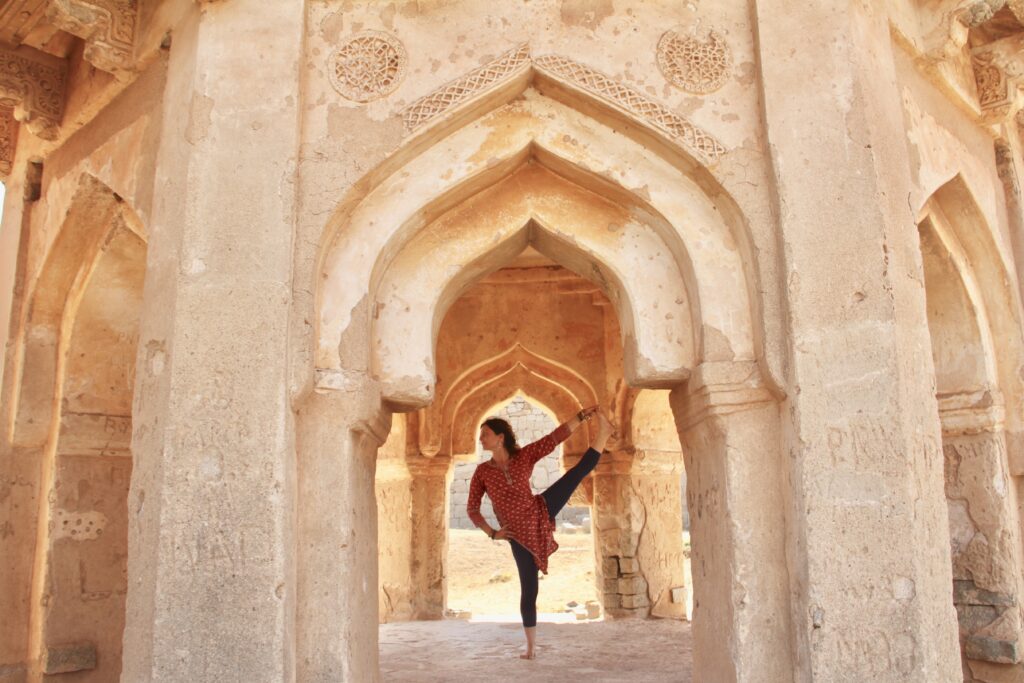
Simona Nucera is a designer, Authorized Ashtanga Yoga teacher, and founder of Shala Mandala, a centre for the study of yoga and ancient traditions between Venice and Southern Italy.
Her work brings together traditional Mysore-style practice, contemplative disciplines, retreat direction, and sustainability-oriented design research, shaped by more than two decades of study across India, the UK, Southeast Asia, and the United States.
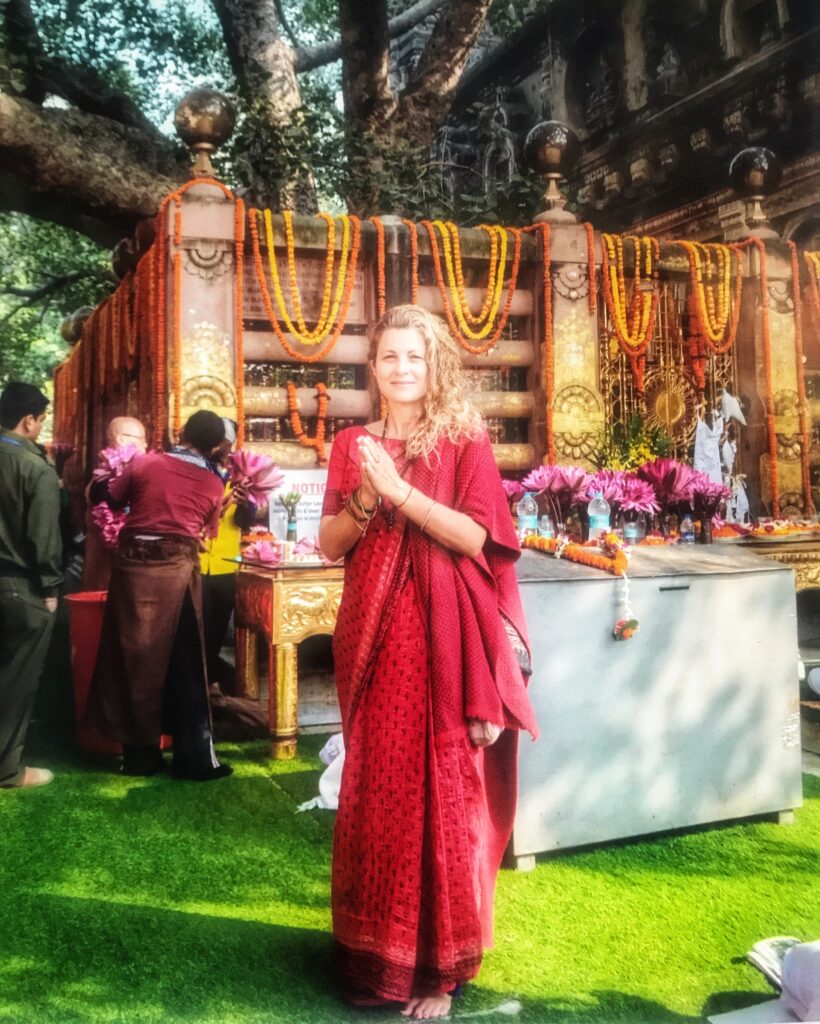
Growing up within the spiritual community of her grandmother, Maria Lucia Cassalia, connected to the Missionaries of Charity established by Mother Teresa of Calcutta, Simona was introduced from an early age to a life of spirituality, service, and devotion.
As a teenager, she became actively involved in charitable initiatives supporting orphanages and community projects in Italy. As an adult, she continued this path of service through humanitarian and educational projects in India.
At the age of twenty, her aunt, Franca Maria Plutino, introduced her to yoga, beginning a lifelong journey of study, practice.
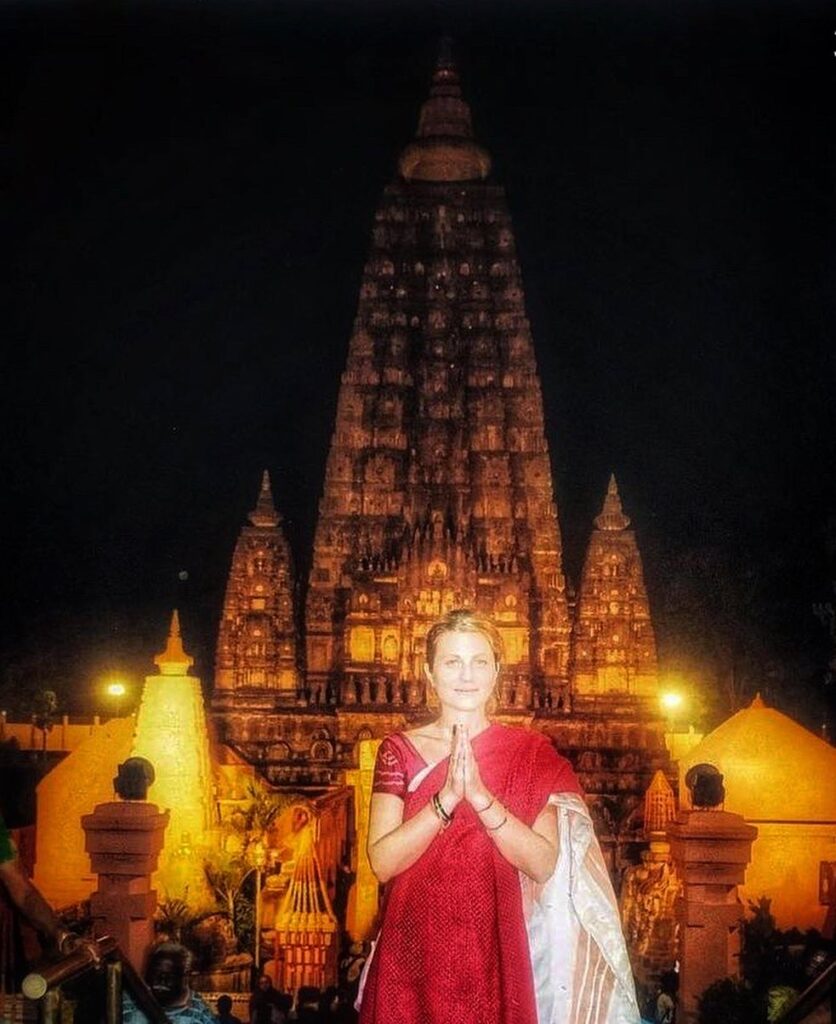
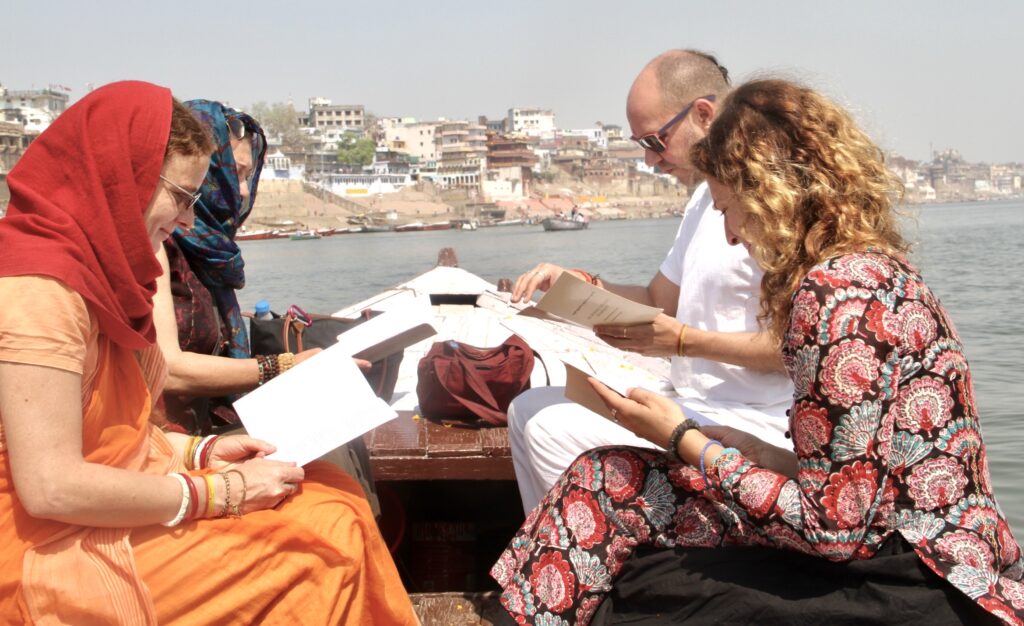
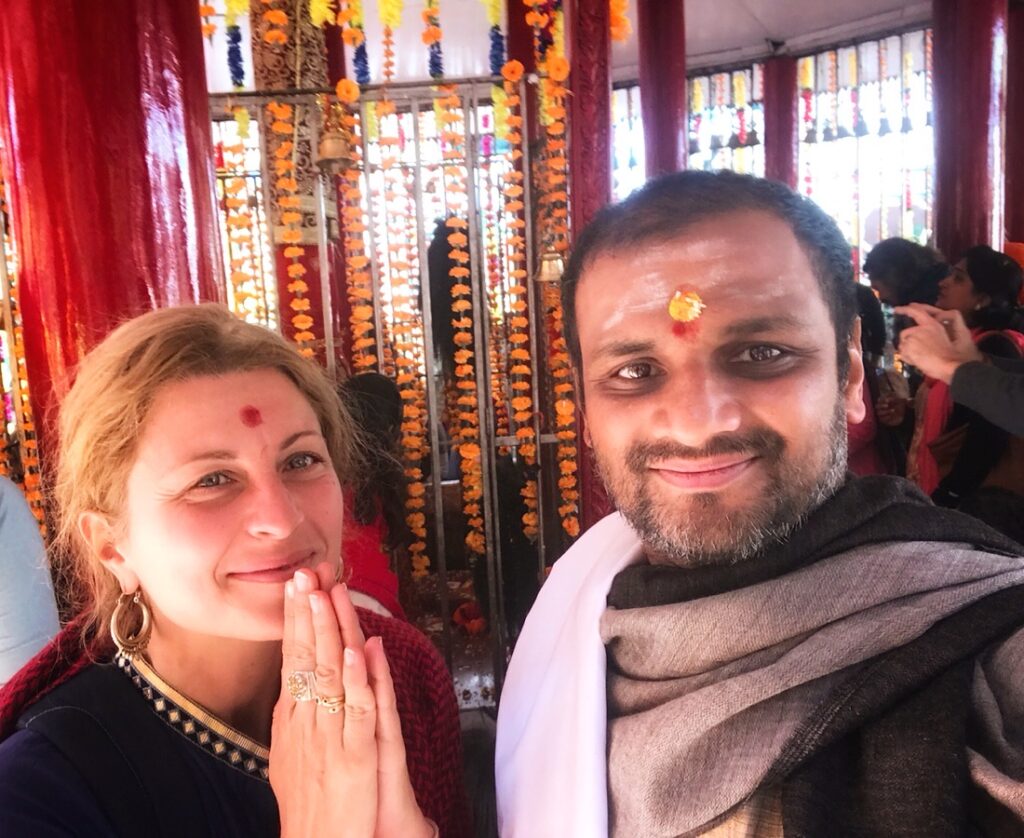
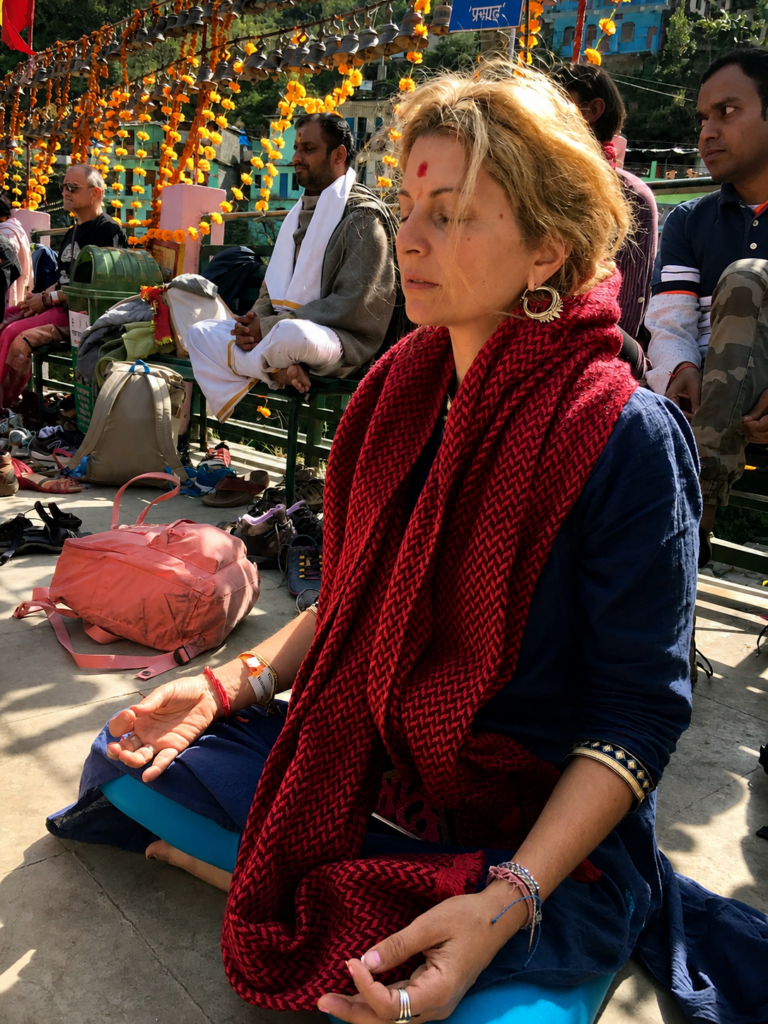
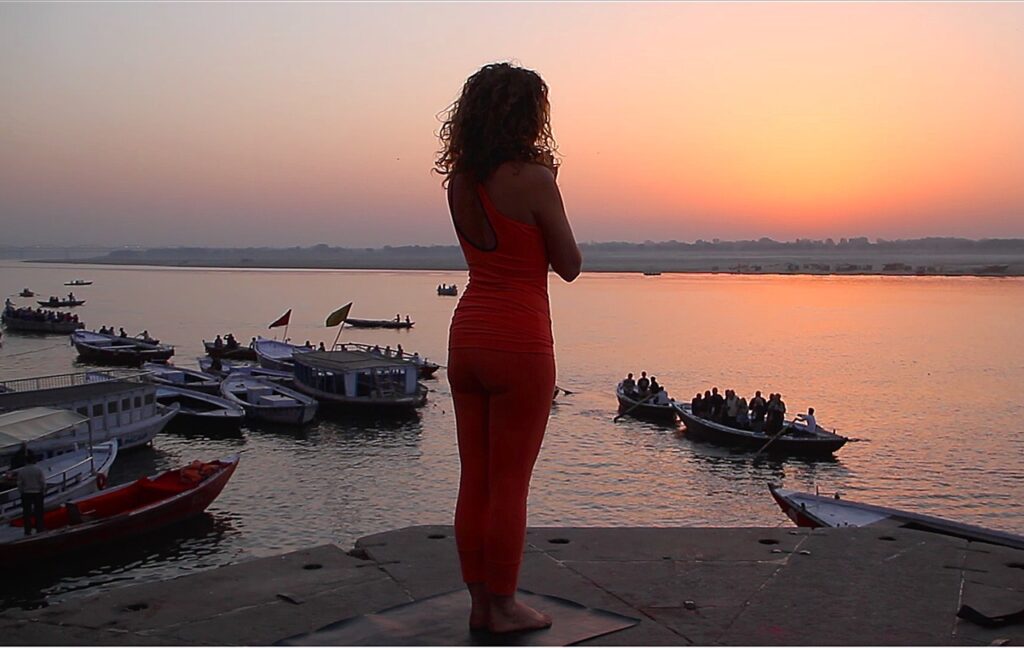
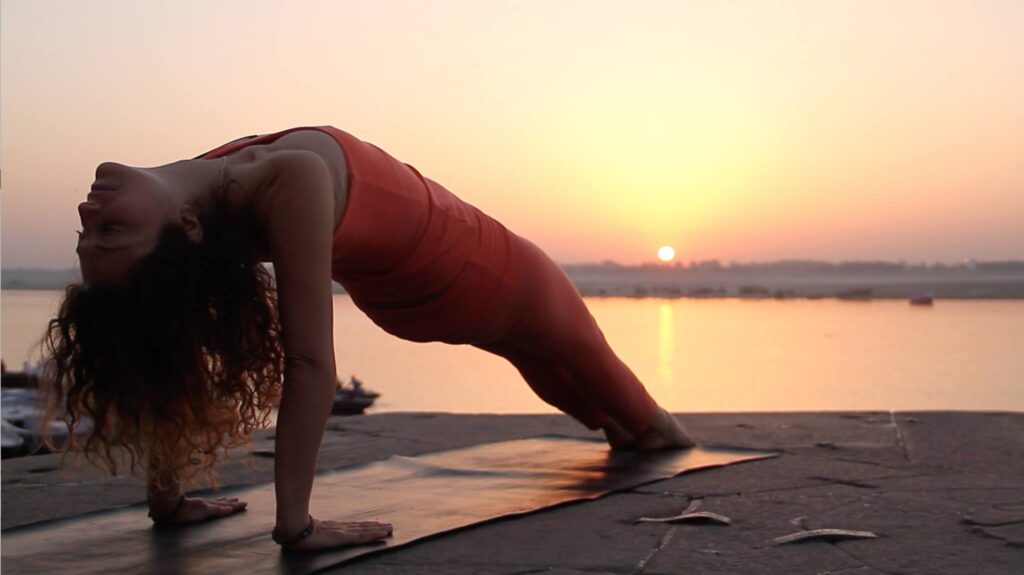
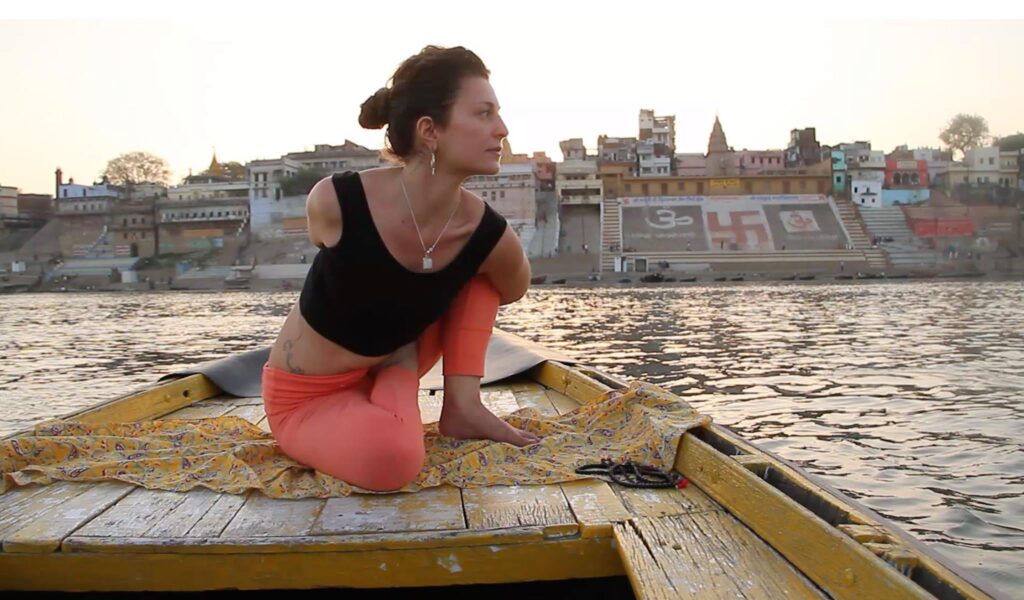
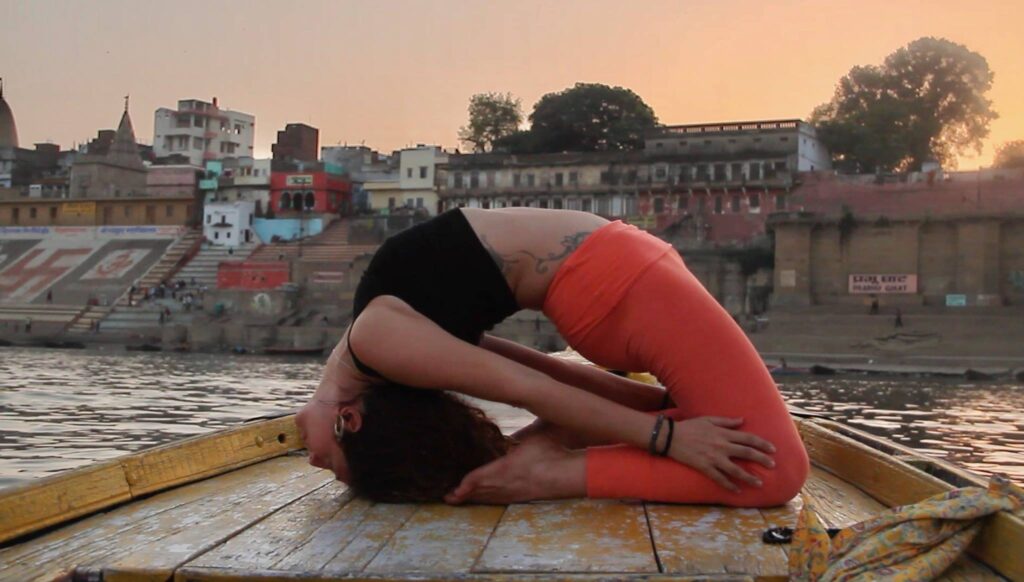
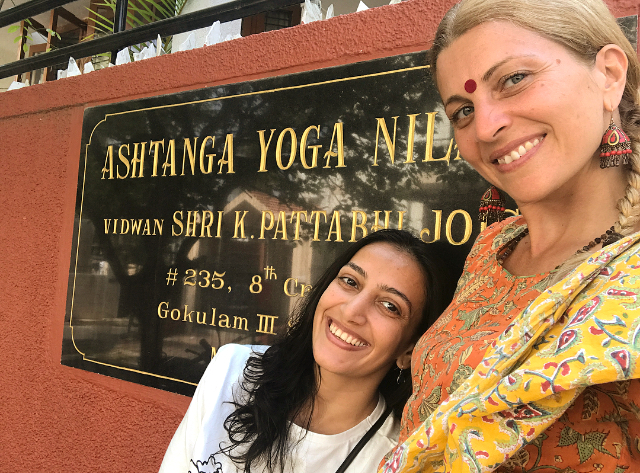
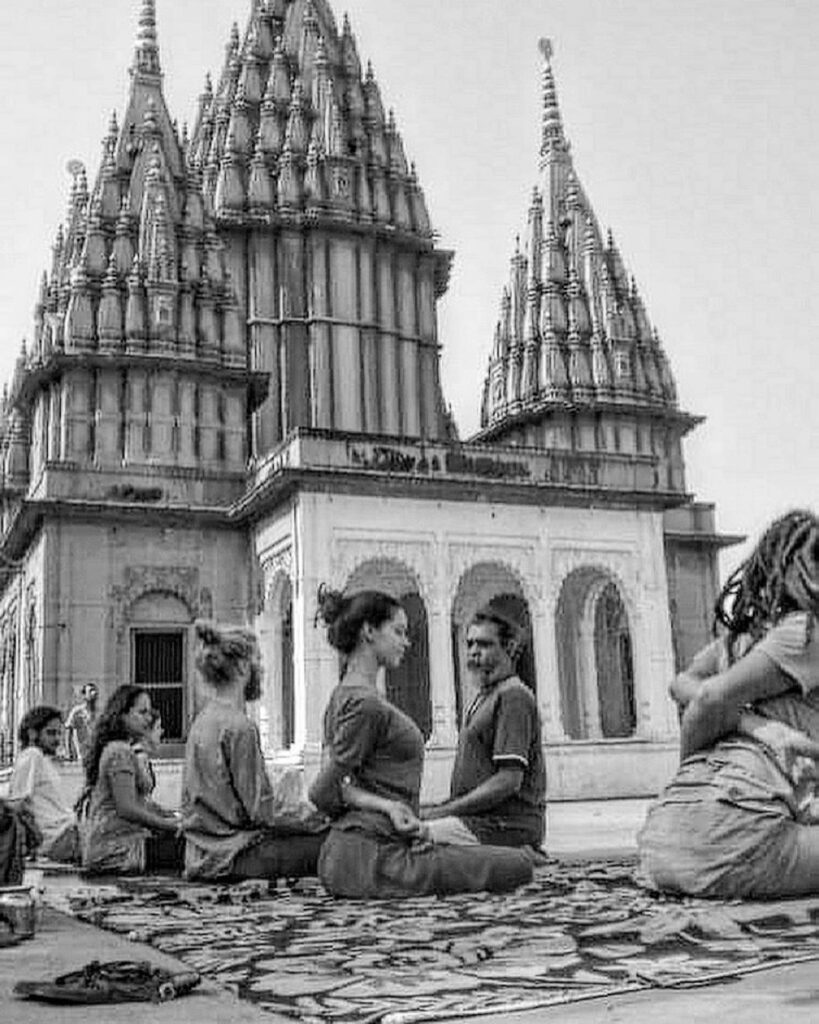
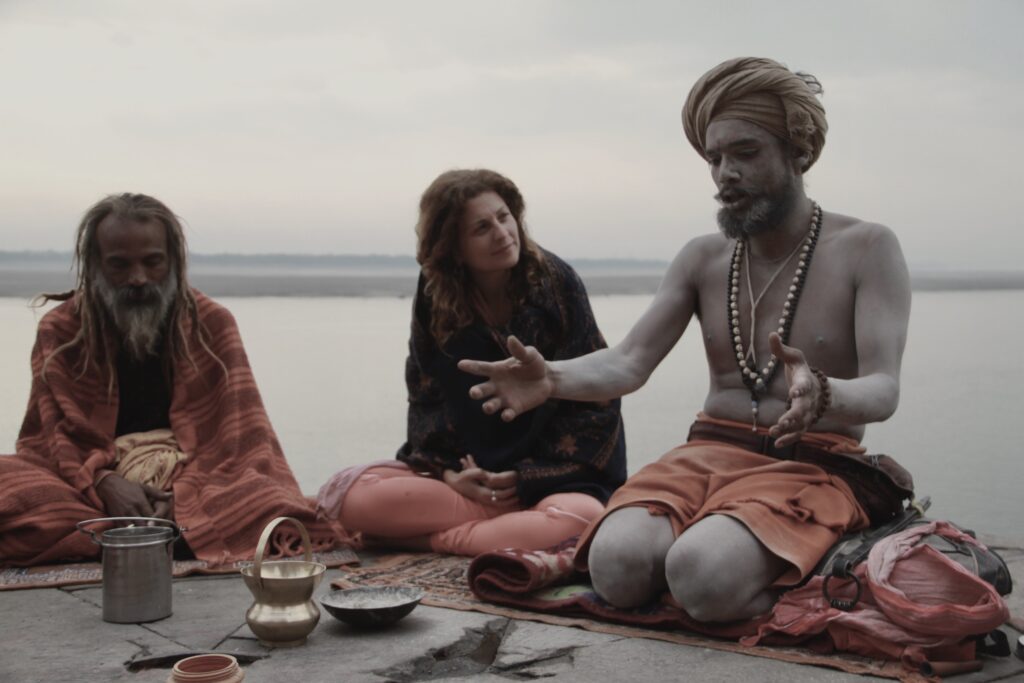
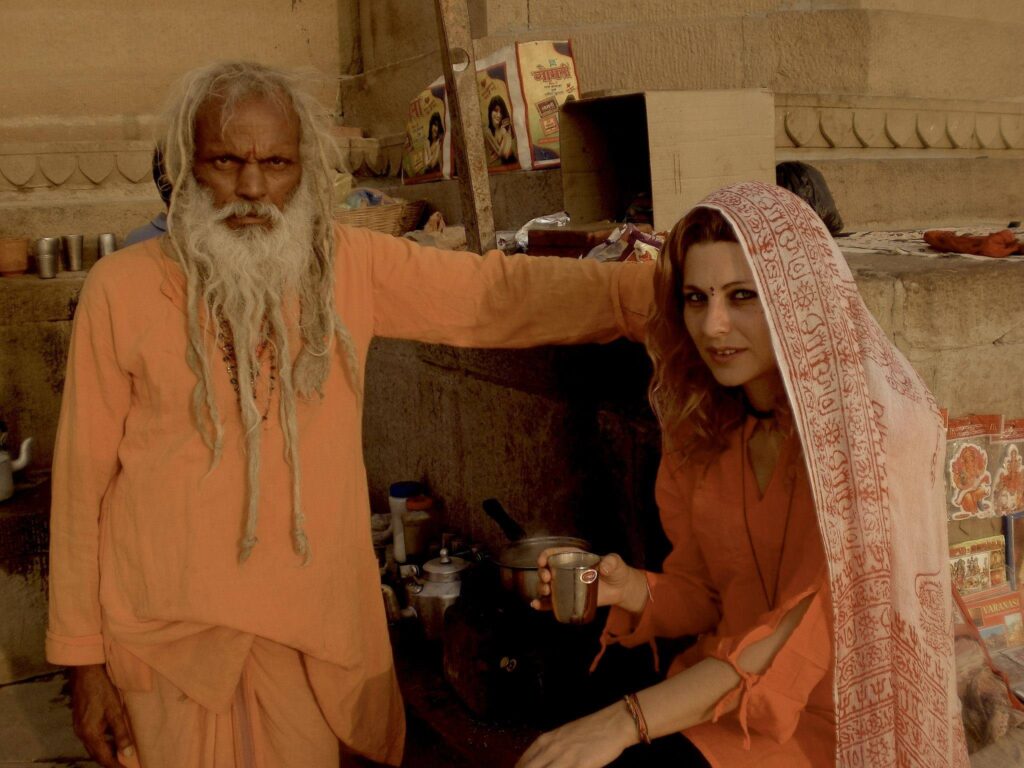
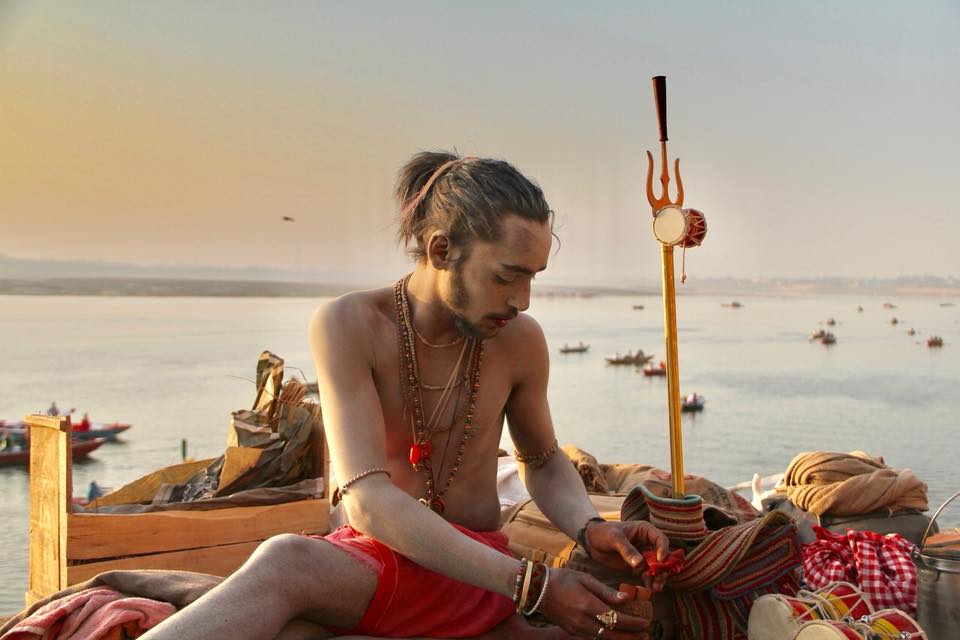
Her formation was deeply influenced by extended periods of practice in traditional shala and āshrams in Mysore and Varanasi, one of the world’s oldest living centres of spiritual learning.
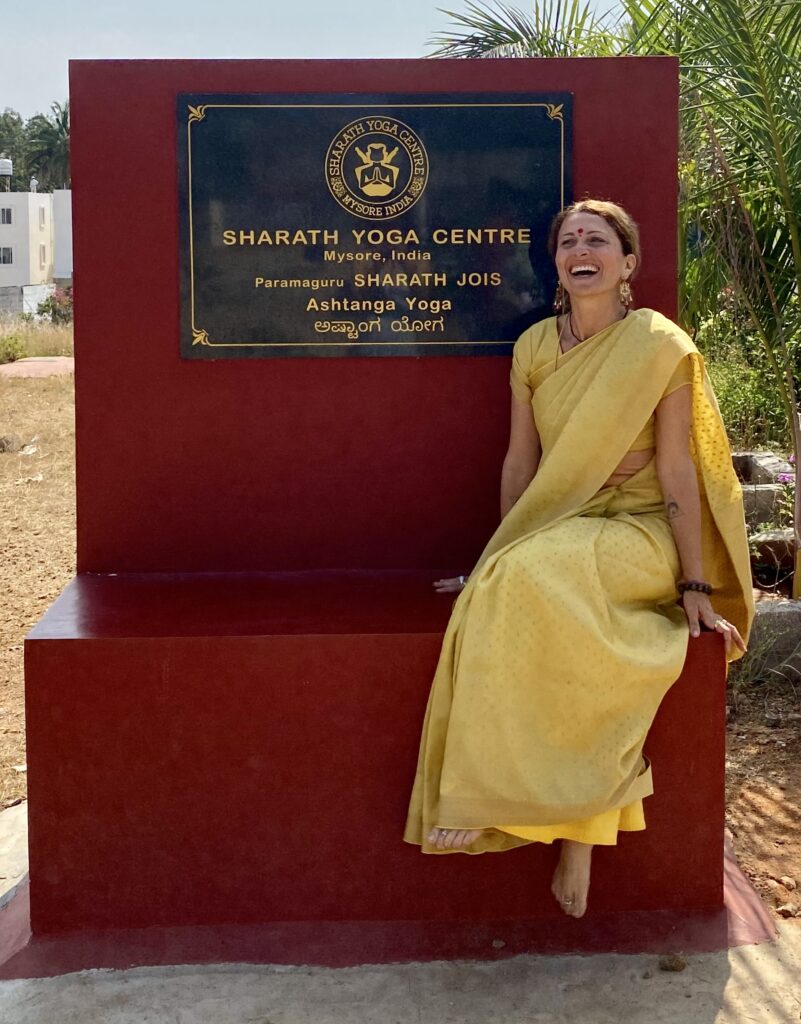
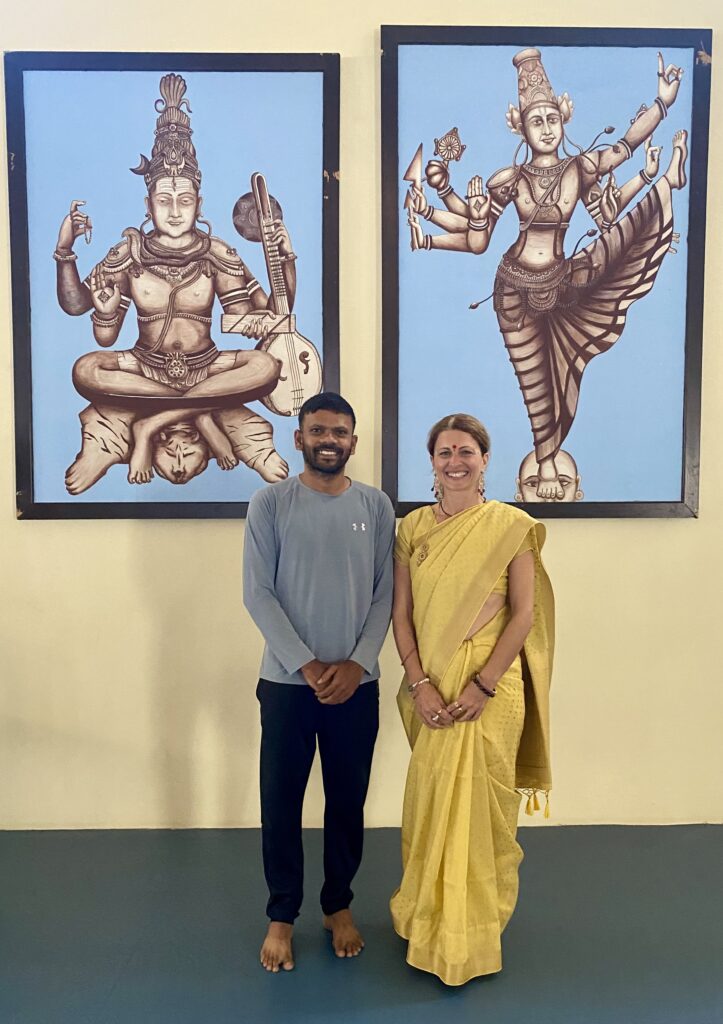
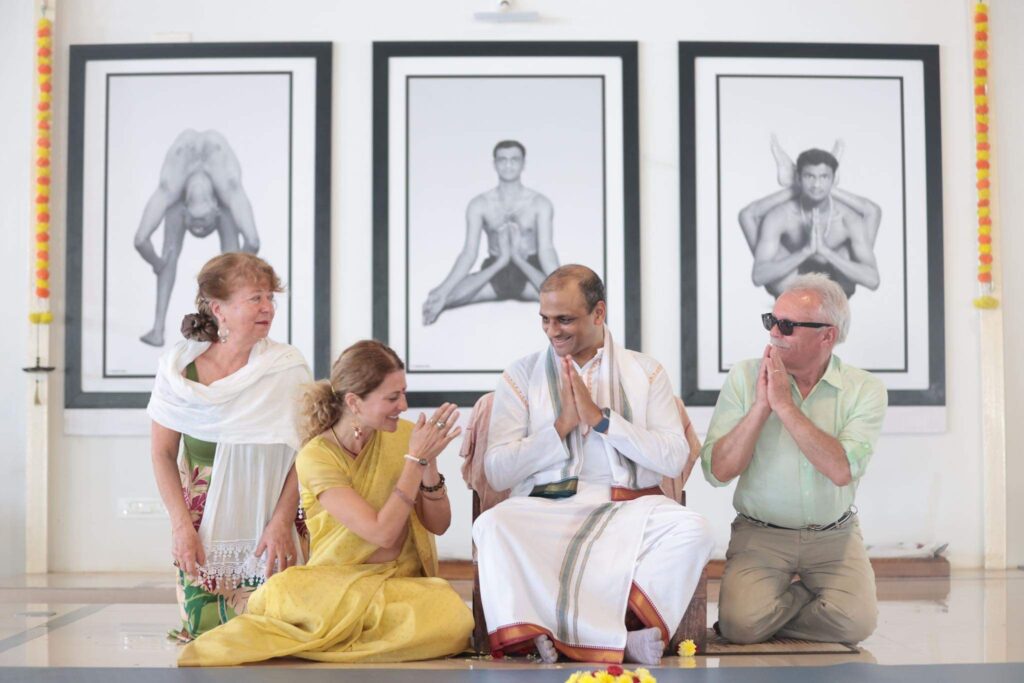
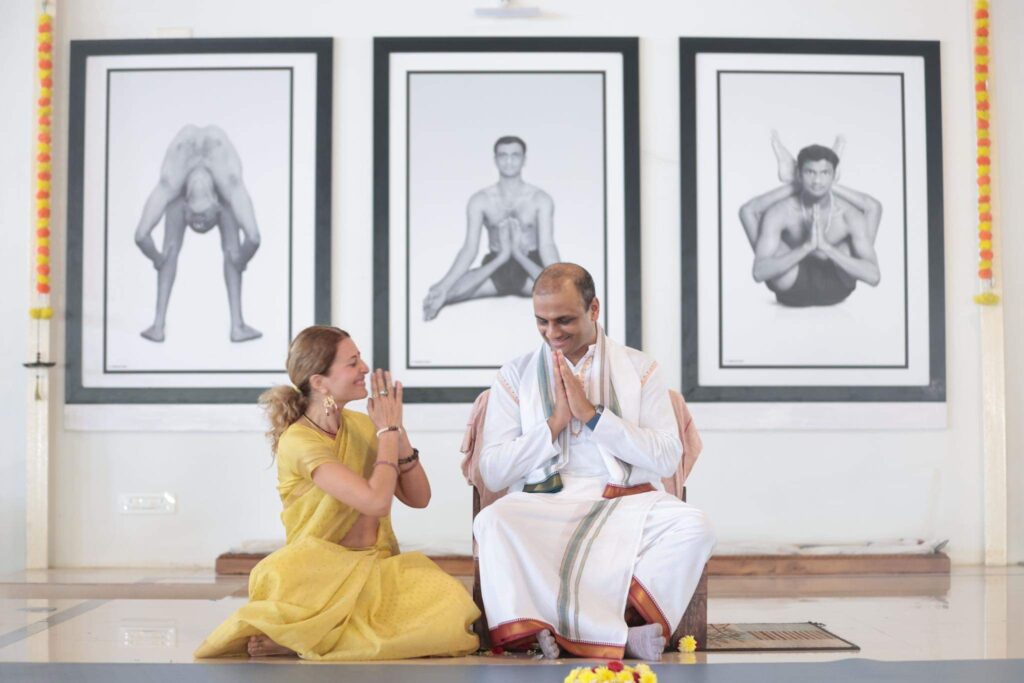
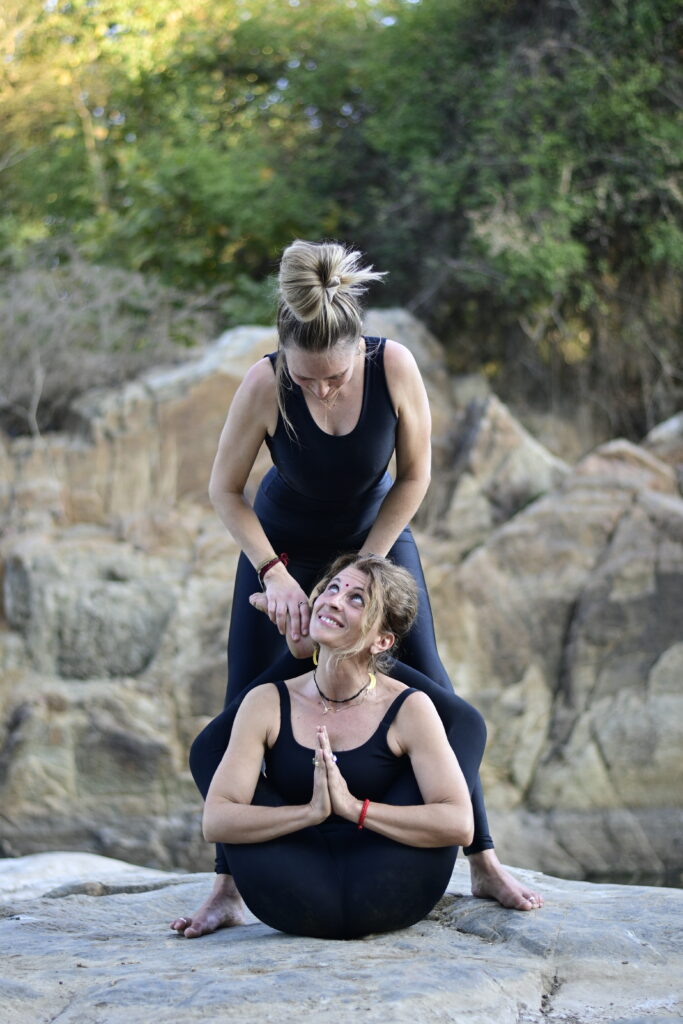
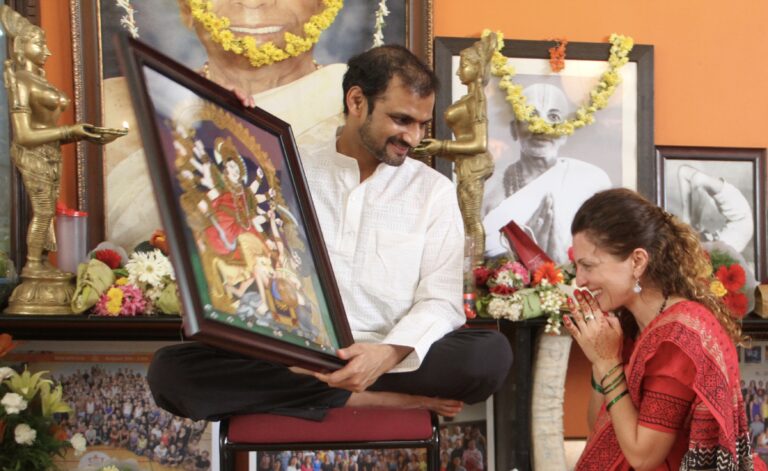
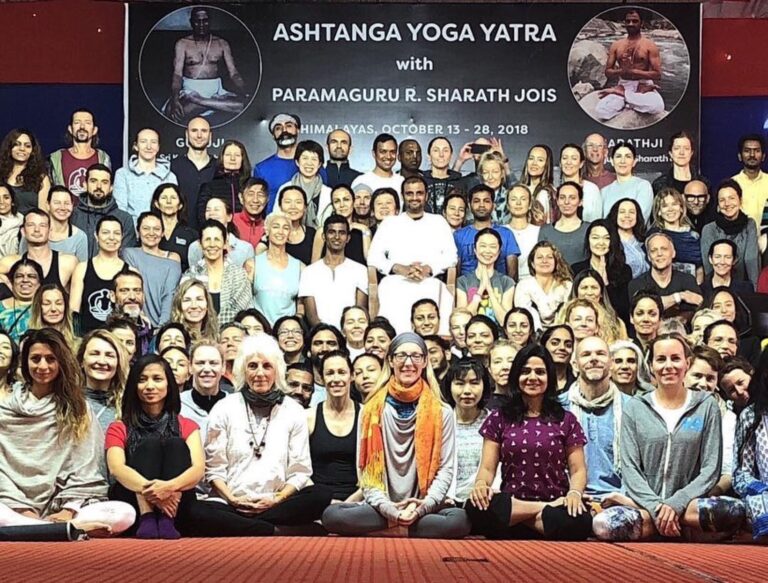
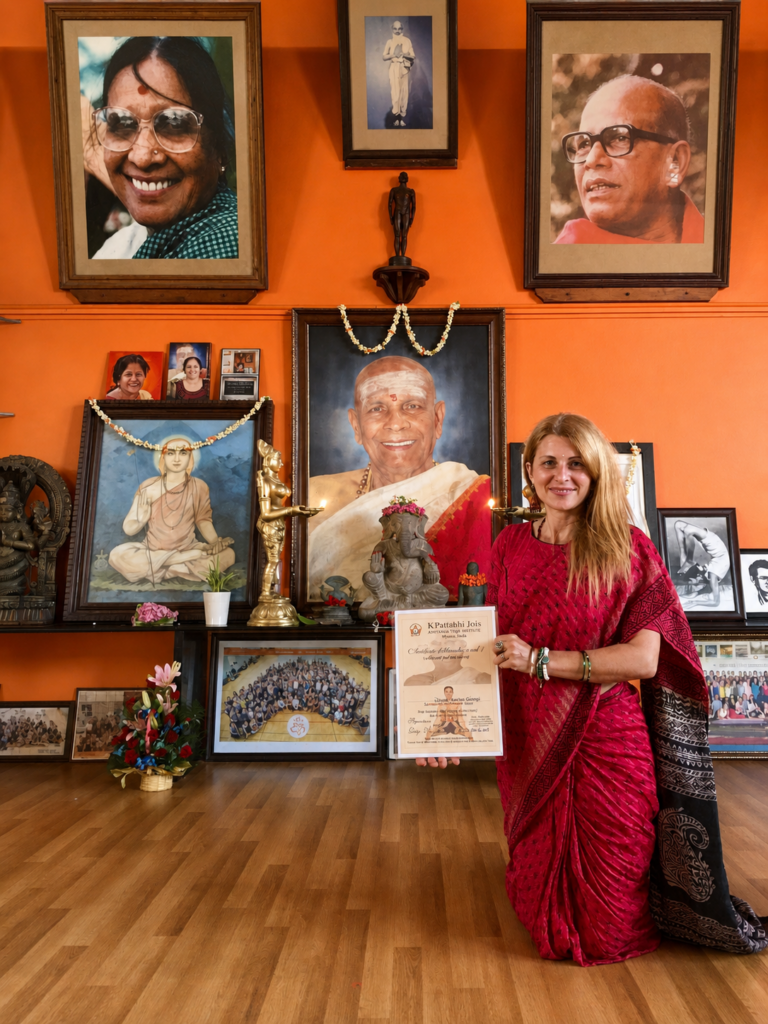
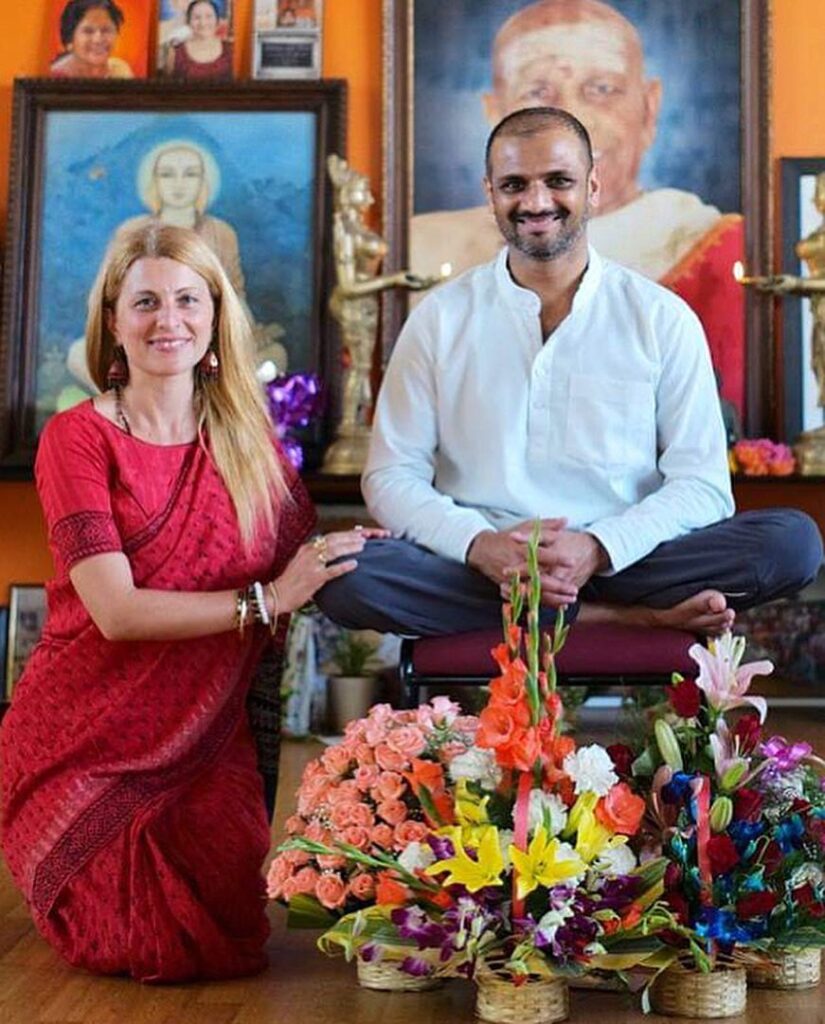
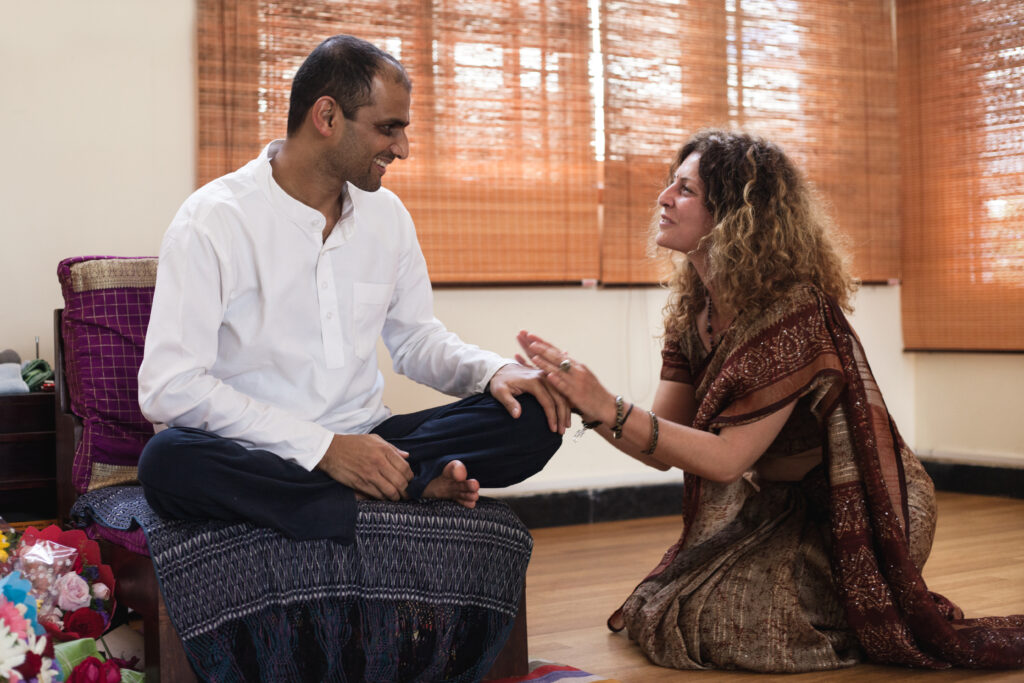
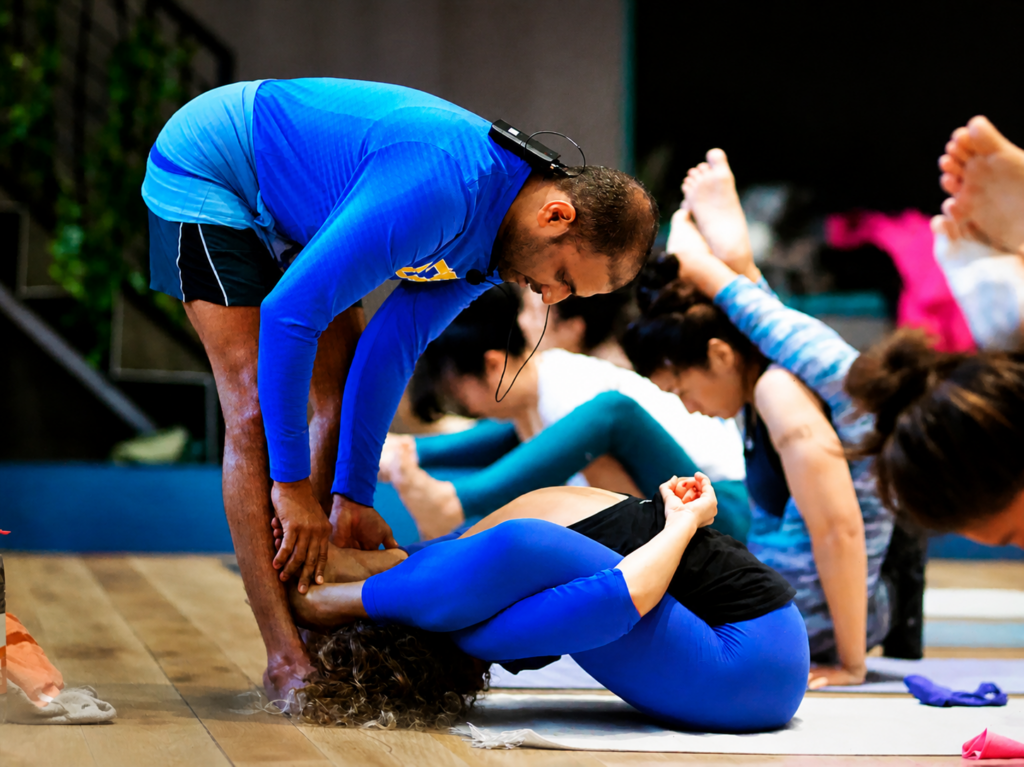
She trained within the lineage of Sri K. Pattabhi Jois and later received Authorization to teach from Sri R. Sharath Jois after years of dedicated practice within the traditional Mysore method in London and Los Angeles. In 2022, she had the opportunity to assist Sharath Jois in the Mysore shala, further deepening her understanding of direct method transmission and traditional hands-on adjustments.
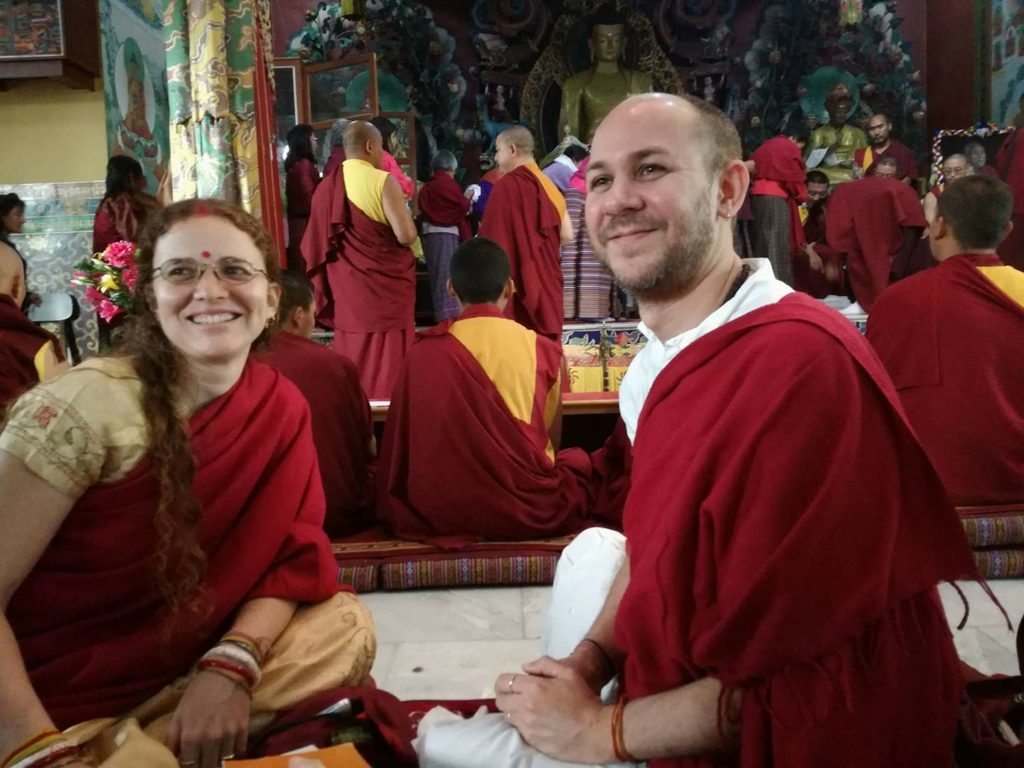
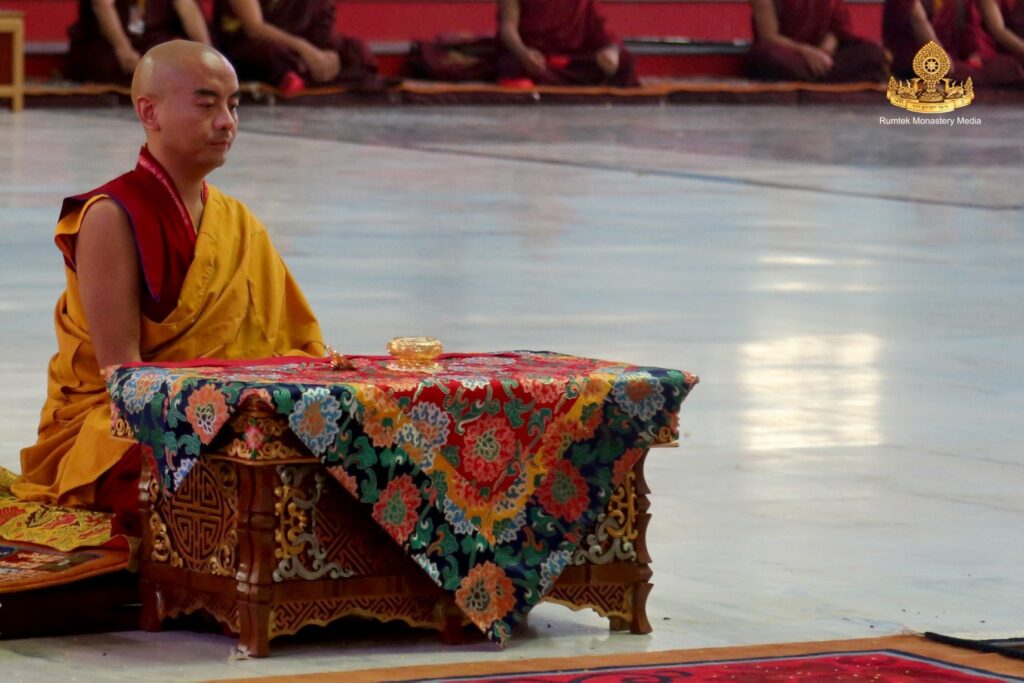
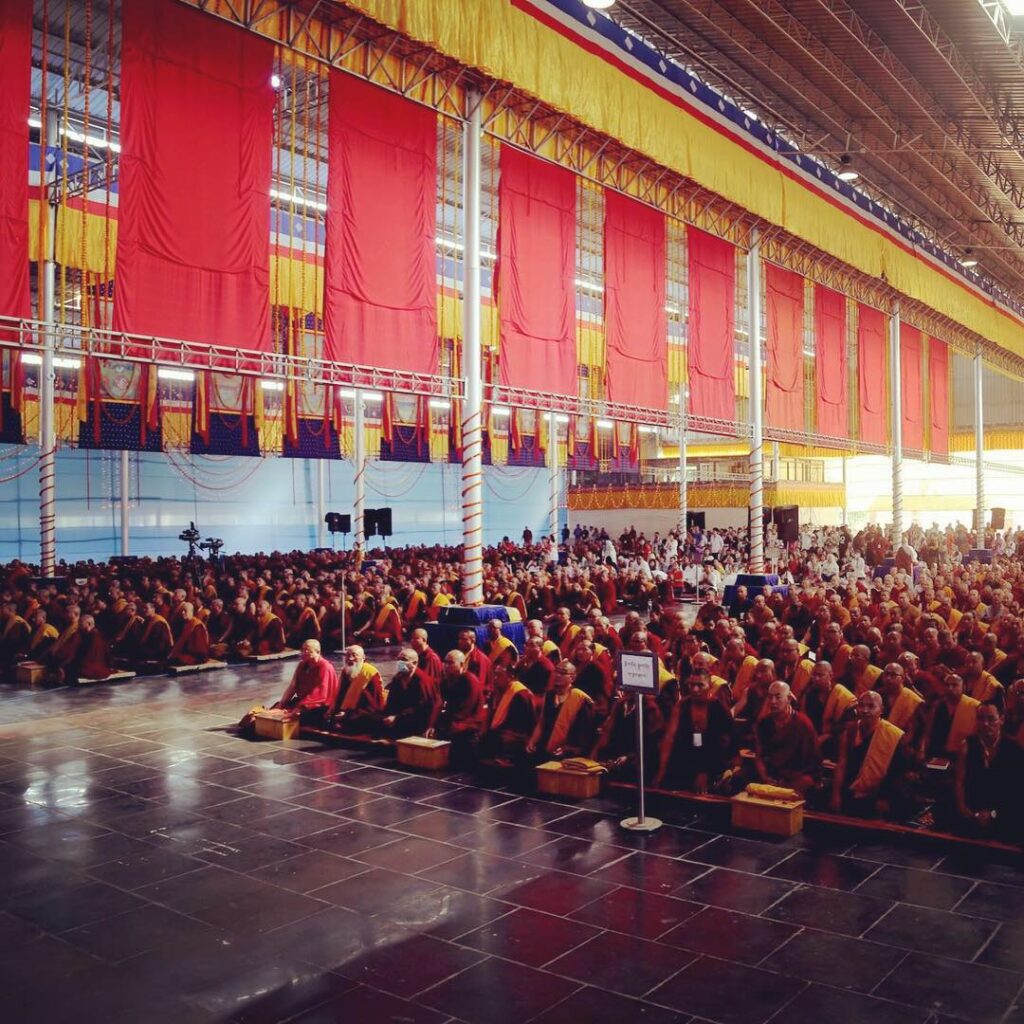
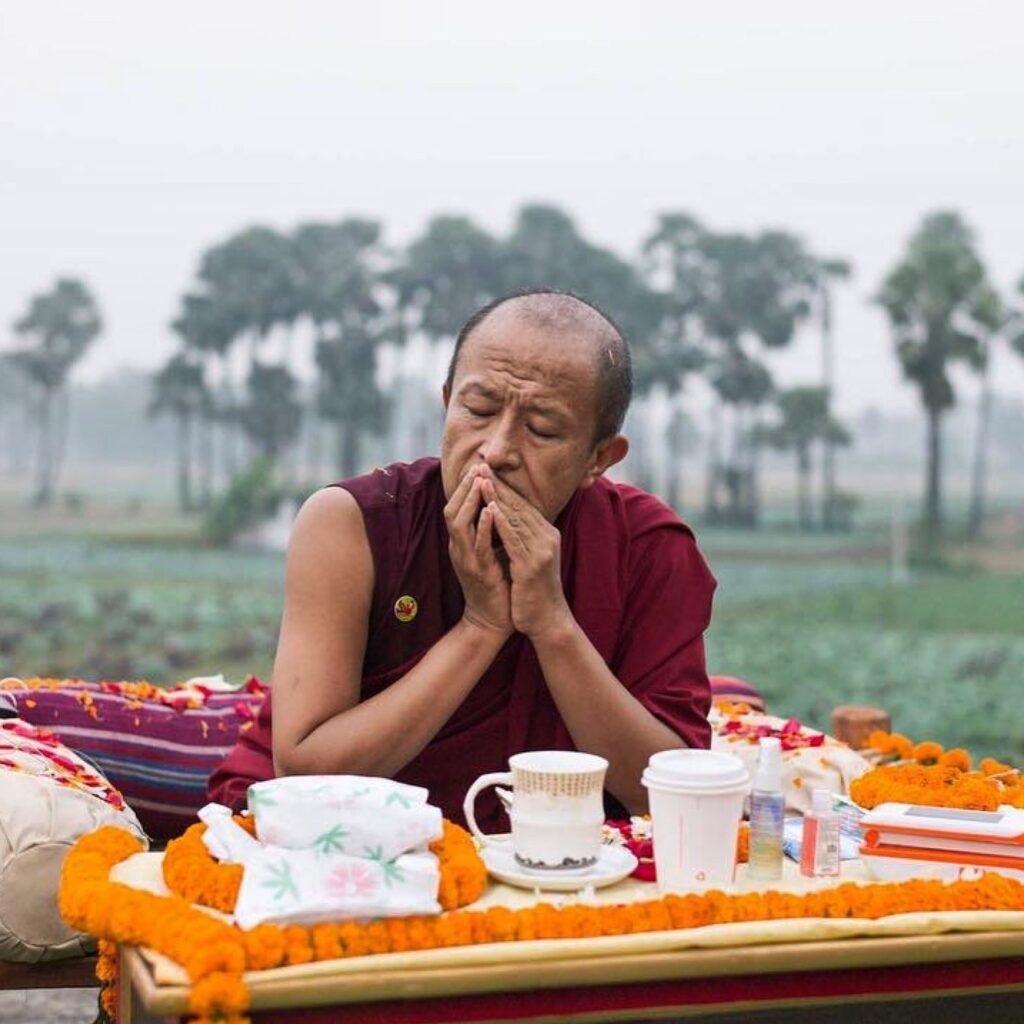
Originally educated in Design at the Istituto Europeo di Design in Milan and the University of the Arts London, Simona’s multidisciplinary background continues to inform her approach to teaching. Her studies include Yoga Niketan, the Himalayan Iyengar Yoga Centre, Vipassanā meditation in the tradition of S. N. Goenka, Ayurveda at the Mysore Ayurveda Academy, and Tibetan Buddhist philosophy through teachings with His Holiness the 14th Dalai Lama, His Holiness the Karmapa, Mingyur Rinpoche, Dzongsar Khyentse Rinpoche, and Professor Robert Thurman of Columbia University.
Her principal teachers and mentors include Sharath and Saraswati Jois, Kedar Prado, Dr. M. A. Jayashree, Prof. M. A. Narasimhan, and Vidwan Lakshmish Bhat, whose guidance has shaped her understanding of Yoga philosophy, chanting, and traditional Indian knowledge systems.
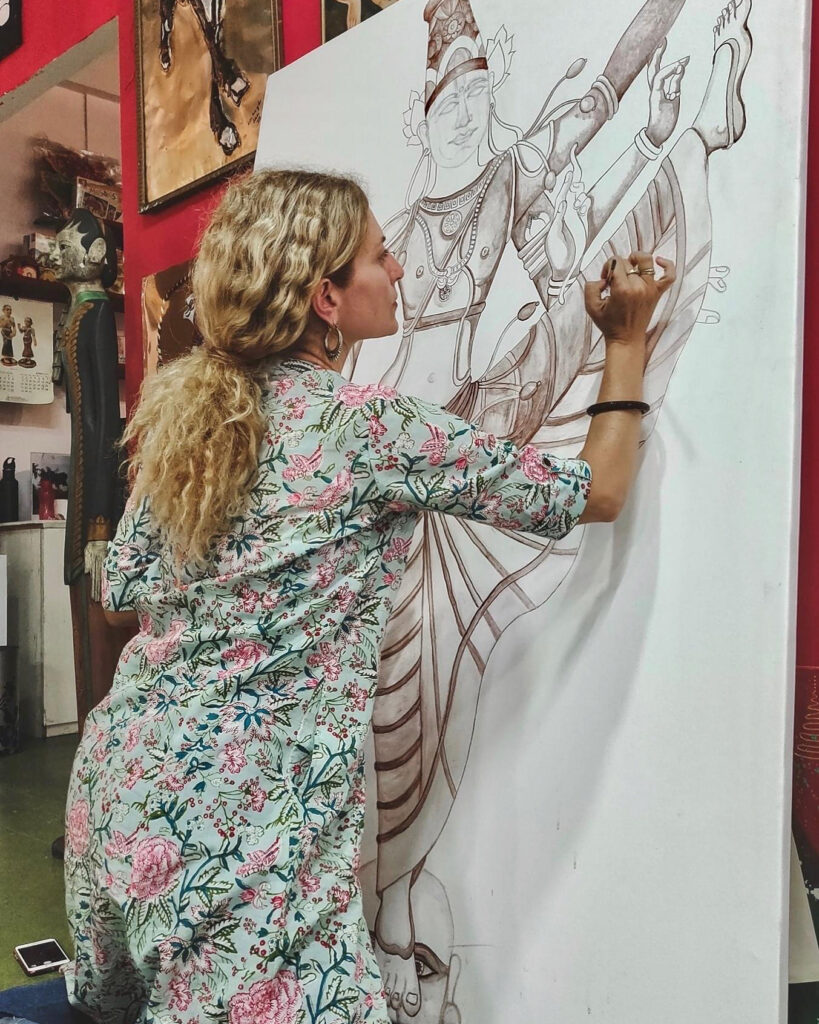
Before dedicating herself fully to teaching, Simona worked between Milan, London, and Los Angeles in the fields of fashion, textile design, and interdisciplinary creative production, collaborating on projects connected with theatre and product development.
Alongside teaching internationally across Italy, India and New Zealand, she continues to develop projects dedicated to contemplative education, cultural exchange, retreat experiences, and mindful hospitality. She is also pursuing academic studies in ancient civilizations at Ca’ Foscari University of Venice.
Her teaching emphasizes continuity, attentive practice, simplicity, and the creation of spaces where study, reflection, and contemplative living naturally unfold.